
👉🏻Part 1. The most complex professional case
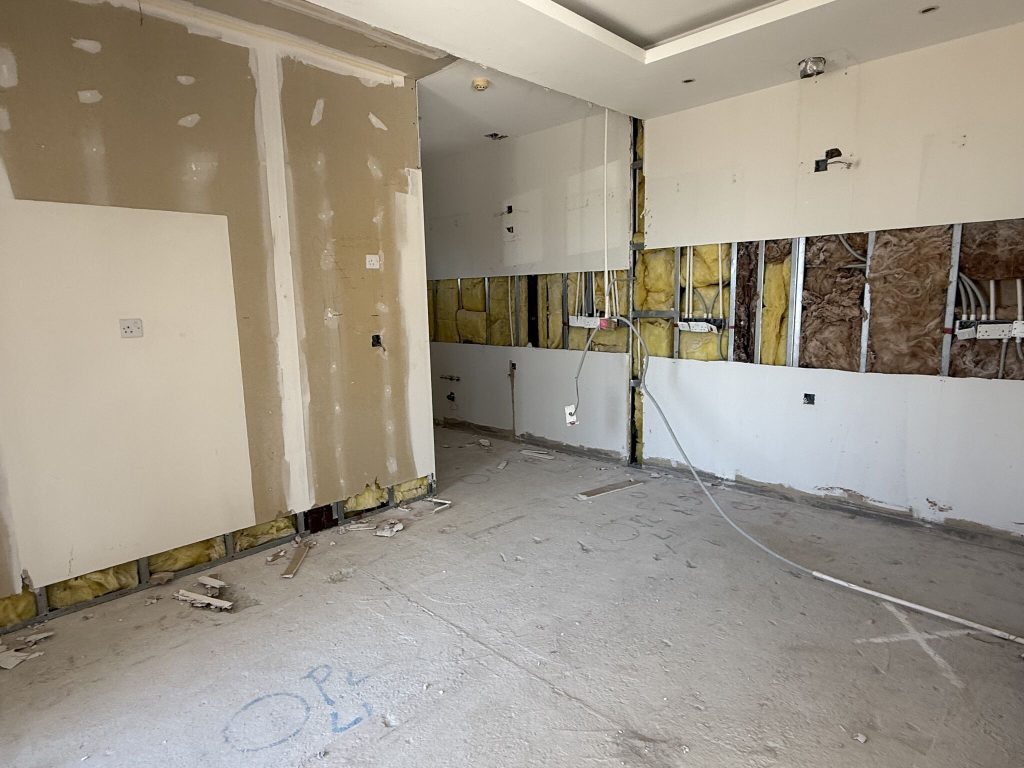
Last year, my husband and I bought a plot with a house 🏡 in a mountainous area of Cyprus and turned it into a full reconstruction project. Only the foundation, walls and roof remained — everything else we rebuilt from scratch.
🗓️6 months. 2 of them — in non-stop daily mode with 20+ contractors.
From construction companies with 50+ years on the market to individual craftsmen across Cyprus.
Over 50 people in constant, direct communication. Only 2 women — both in office roles.
🤲🏻I experienced the real working culture of Cyprus.
Not the one “on stage.”
Not the one described by HR.
Not corporate, not office-based, not expats, not the younger generation.
But the real one:
Cypriots and other nationalities 40–70 years old.
People who build, install, fix.
People who don’t think in frameworks, reporting or empathy models.
They think in:
- lived experience
- professional skill
- personal logic
- weather, holidays
- external circumstances
- distance from cities
- standards shaped by family and culture
I thought I would temporarily reduce my involvement in You Inspire meta skills training programs during the house renovation.
Instead — this became the most real application of the meta-skills I coach.
And the work only began.
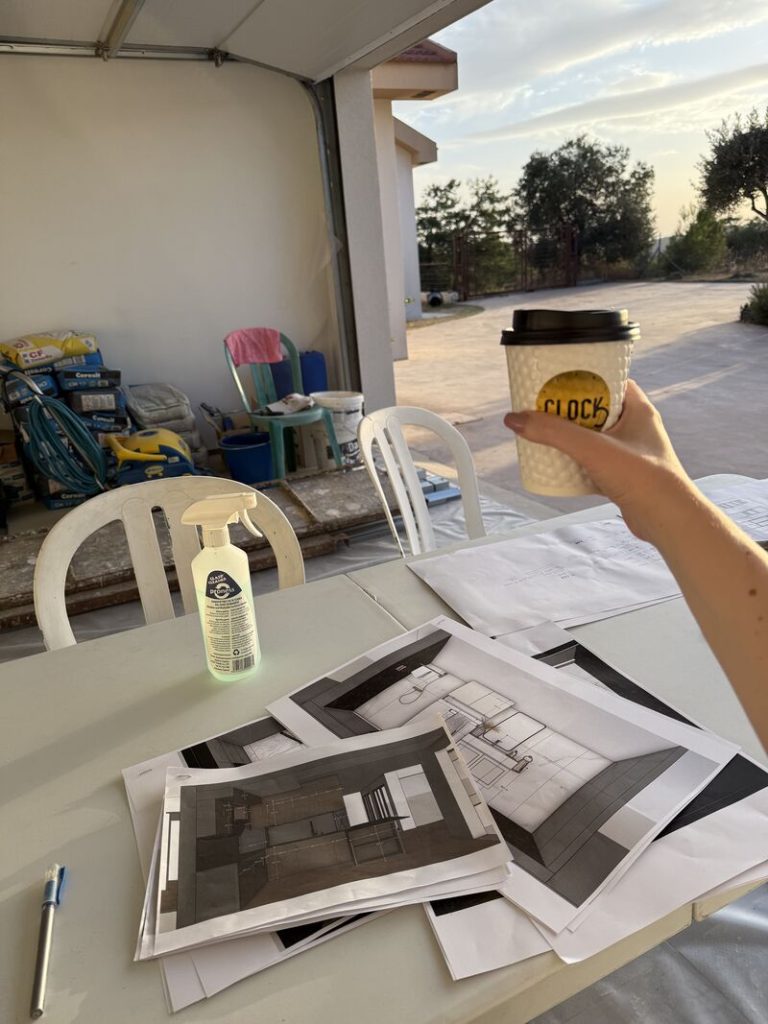
Here are just some of the industries I had to directly manage, align and resolve conflicts across:
– Direct Construction (cement, pipes, tiles, roofing)
– Electrical engineers & electricians
– Pool installation (liner, balance tank)
– Architect & design
– Bathrooms & Floors
– Hydro & thermal insulation
– HVAC & ventilation
– Water filtration systems
– Plumbing
– Carpentry & furniture
– Landscaping & irrigation
– IKEA Cyprus (orders + installation)
– 3 types of fencing around the plot
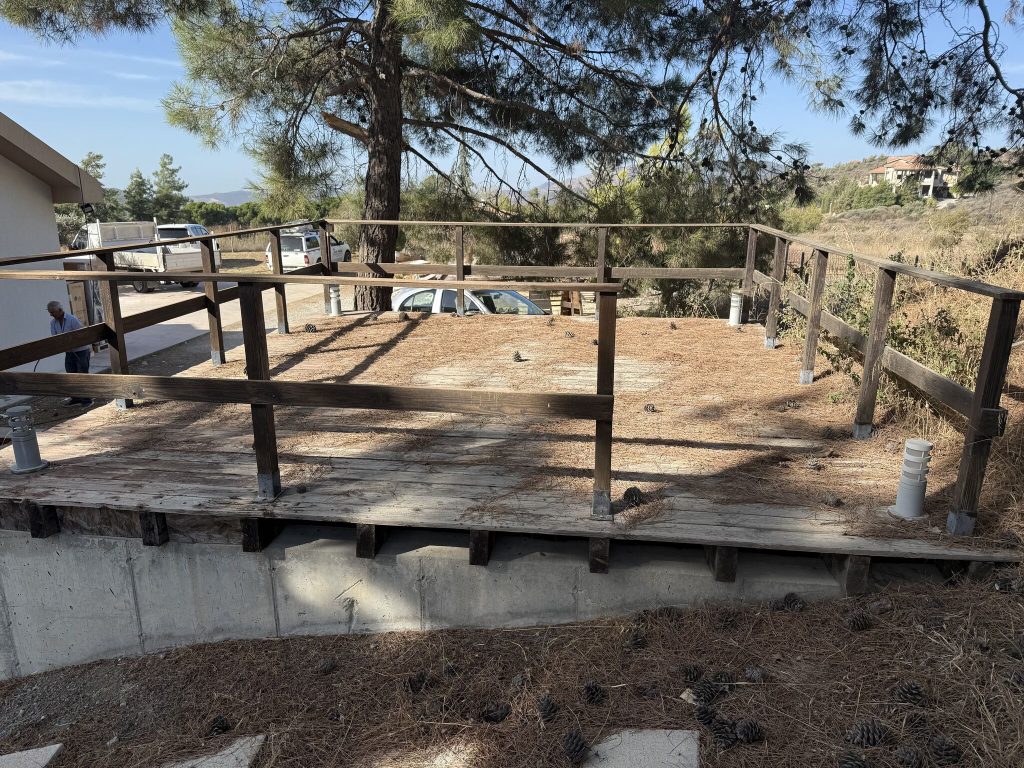
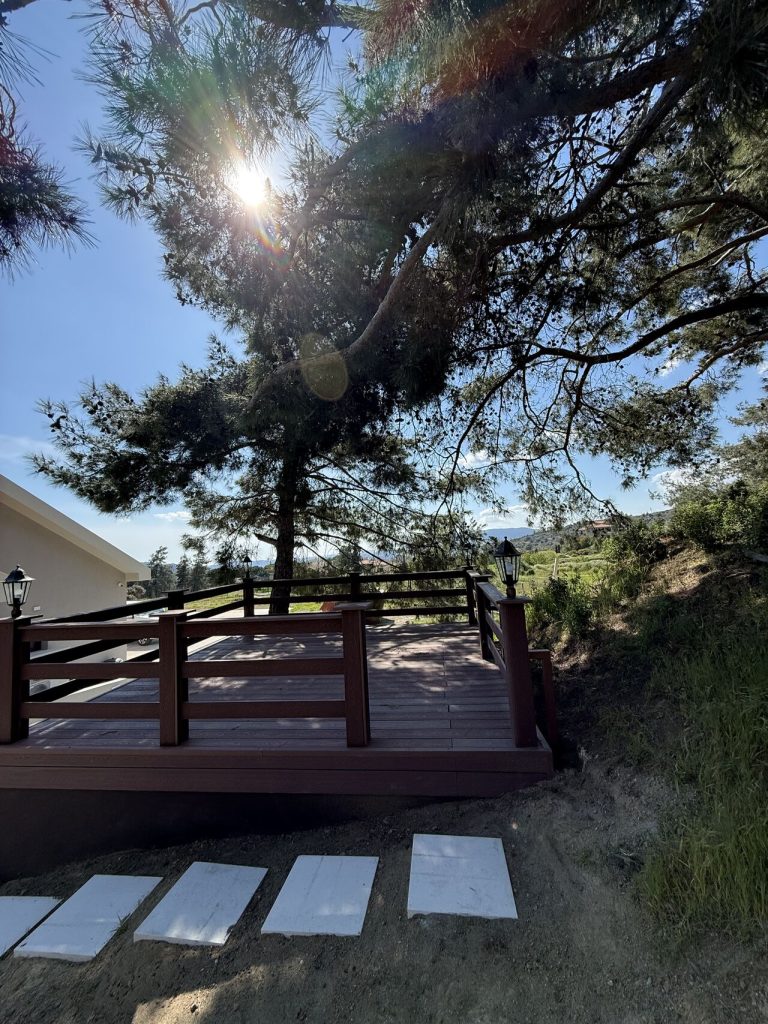
– Deck construction
– Countertops & backsplashes
– Window nets, pipes, technical details
– Security systems (cameras, sensors)
and many more..
And in every situation — aligning decisions, assigning responsibility, negotiating outcomes.
Including something as simple — and as complex — as making sure a sink is installed not “how the plumber decided,”
but how it actually works.
And very quickly I realised: this was not even about managing contractors.
It was about structuring a system that had no central coordination.
And I was operating inside it — while structuring it in real time.
👉🏻Part 2. What meta-skills look like when theory meets reality
Meta-skills are not theory. They are survival in real systems.
During this process (described in Part 1), I wasn’t “training” meta-skills. I was using them myself — every single day.
In real time.
Under pressure.
Inside constant conflicts between contractors.
With zero buffer.
💼I analysed each situation.
Stayed aware.
Adjusted communication immediately.
Made decisions fast.
There was no time for reflection “later.”
Everything was happening live.
This is where meta-skills stop being theory:
- Contracting (what I expect from you and what you can expect from me)
- Strategic & critical thinking (what are facts and what are opinions?)
- Emotional intelligence (what can I do for you so you could do your job faster and better?)
- Mindfulness (what is really happening right now?)
- Resilience (what’s my ultimate goal and what for do I experience this?)
Because reality looks like this:
In the absence of clear CONTRACTING between people, every person operates from their own reality and logic — and calls it “professionalism.”
🤲🏻In practice ->
– People blame each other, ships, fabric, weather etc.
– Avoid responsibility.
– Miss deadlines.
– Overpromise.
– Work based on their own logic.
And no one coordinates the system for you.
So I had to:
🤝 align contractors with each other, and re-align them weekly
🤝 assign responsibility clearly, and remind people of the agreements
🤝 hold boundaries under pressure,
🤝 adapt communication to completely different mental models and psychologies
And most importantly —
stay internally stable while everything externally was not.
✅As a result, we built a working framework for future projects.
A system that already accounts for:
• misalignment
• blame-shifting
• lack of accountability
• delays
• inconsistency
• overconfidence
Meta-skills are not “nice to have.”
They are what allows projects and systems not to collapse when reality hits.
👉🏻Part 3. The conclusion that changed how I see work culture in Cyprus
Work culture is not what we declare. It is what happens daily. In the field.
Ps. read what had happened in the “field” in Parts 1 & 2.
—-
‼️My main conclusion:
As long as leadership is disconnected from execution — real change in work culture is almost impossible.
You can run hundreds of HR events.
Leadership conferences.
Panels and discussions.
But if decision-makers don’t understand what is actually happening on the ground — it doesn’t change reality 🙂↔️
✋🏻Work culture is NOT what we say on stage.
It is what happens:
• on construction sites
• in warehouses
• in ports
• in conflicts
• between contractors
• between departments
• between companies
This experience removed any of the remaining illusions.
Completely.
Today, when I speak about the mission of our project You Inspire — to build a thriving work culture in Cyprus — I understand it differently.
Because work culture starts with the work itself. And as long as we live in homes and work in offices built by these hands 🤲🏻—
this is where transformation must begin.
Not from screens.
Not from stages.
Not with AI or any tech.
NB. Last year I thought the hardest thing would be to create a social innovation in Cyprus and deliver a large-scale professional event with government support and endorsement from two global coaching organizations.
It turned out to be much easier than renovating a house🤌🏻😅
Because one is transformation “at the table.”
And the other – is transformation
in a cold, rainy, windy field on a hill —
without even a small break, when 2 contractors which you hired for the work – refuse to talk to each other or work together.
If we want to change work culture — we don’t start with motivation.
We start with clear CONTRACTING.
Alignment between people, lines of work, their responsibilities, and HOW work is actually done.
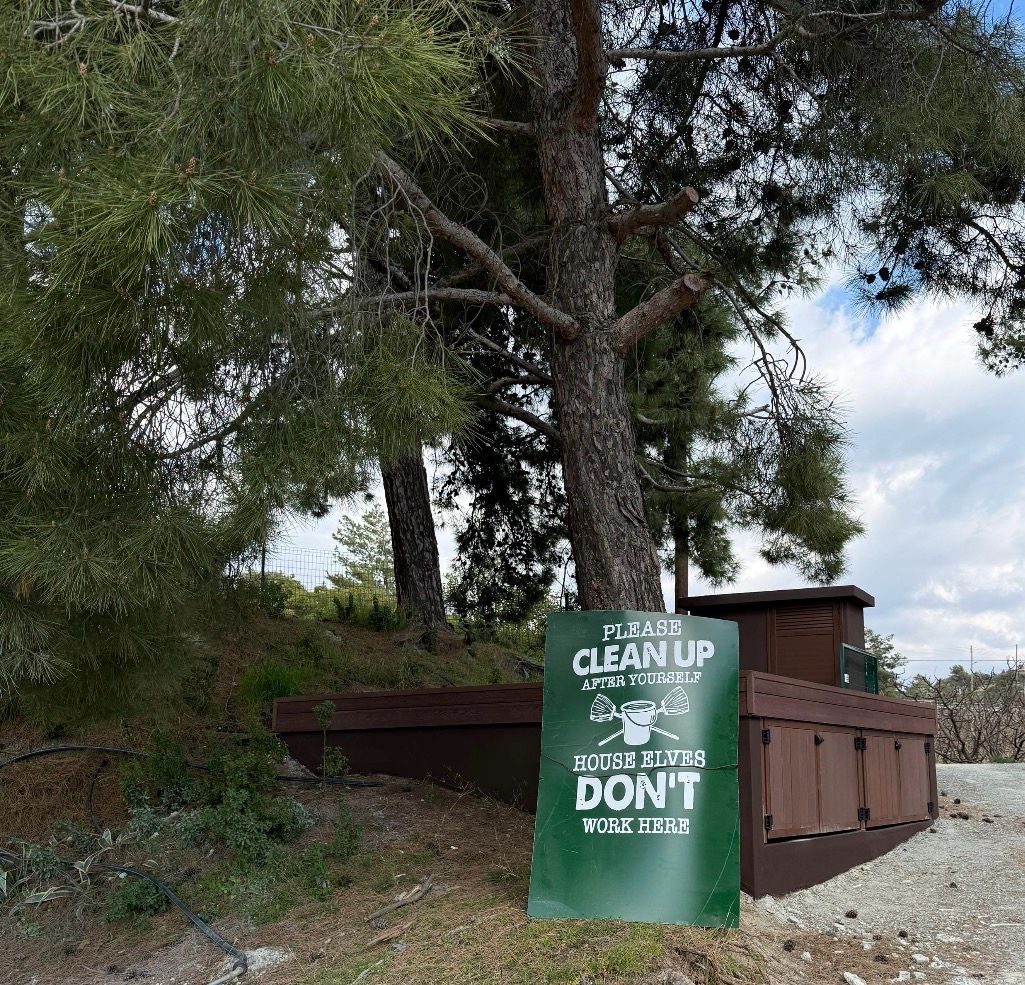
P/s You would be surprised, but this board below – actually did work. Its “contracting” in its most simple form: let people clearly know your expectations.